

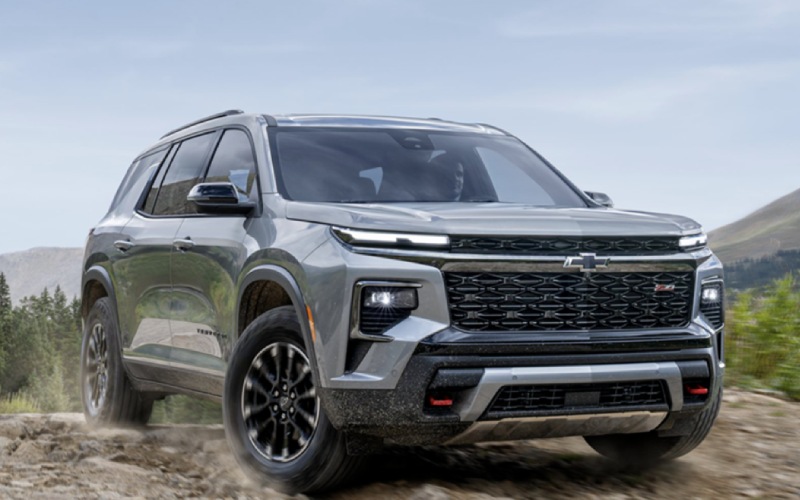
Jones Chevrolet - How to Choose a Used SUV for Everyday Driving around Lexington, SC
Choosing a used SUV is easier when the search starts with real life instead of a long list of model names. Around Lexington, drivers often need a vehicle that feels comfortable on daily commutes, practical for errands, roomy enough for passengers, and flexible for weekend plans around Lake Murray, Columbia, Sumter, and nearby communities. A used SUV can be a smart fit because it offers a raised seating position, versatile cargo space, and a wide range of sizes, from compact options that are easy to park to larger models with three rows and expanded storage. The key is to match the SUV to your routine rather than choosing solely by appearance or popularity.
At Jones Chevrolet, we help shoppers think through the details that matter after the excitement of the test drive fades. A vehicle may look great online, but the best choice also feels right when loading groceries, buckling child seats, merging onto the highway, or parking near busy shopping areas. Used SUV buyers should compare comfort, visibility, cargo access, maintenance needs, financing fit, and available technology. A thoughtful process can prevent compromise and help create a stronger ownership experience from the first day forward.
Start with the Size That Fits Your Routine
Used SUVs generally fall into compact, midsize, and full-size categories, and each type serves a different kind of driver. Compact SUVs are often popular with commuters, small families, and anyone who wants practical cargo room without giving up easy maneuverability. Midsize SUVs add more passenger comfort and cargo flexibility, making them useful for growing households or drivers who carry sports gear, luggage, or work materials. Three-row SUVs are designed for larger families, carpooling, travel, or anyone who regularly needs extra seating. Before choosing, think about how many people ride along most often, how frequently the rear cargo area is used, and whether parking space at home or work is limited.
- Compact SUV: Best for easy parking, efficient commuting, and light cargo needs.
- Midsize SUV: Best for added rear-seat room, flexible storage, and family use.
- Three-row SUV: Best for larger households, passenger flexibility, and road-trip cargo.
- Performance-focused SUV: Best for drivers who prioritize power, handling, and confident acceleration.
- Adventure-ready SUV: Best for shoppers who want available all-wheel drive, roof-rack usefulness, or enhanced road confidence.
Inspect Comfort, Cargo Space, and Technology
A quality used SUV should feel intuitive before leaving the lot. Sit in the driver's seat and check visibility in every direction. Adjust the mirrors, steering wheel, and seat position. Make sure the touchscreen, climate controls, gear selector, and driver information display are easy to understand. Rear-seat comfort is equally important, especially for families or frequent passengers. Open the rear doors, check legroom, test seat-folding functions, and see whether the cargo floor height works for lifting heavier items. Small details such as cupholder placement, USB ports, storage bins, and rear air vents can make daily use much more pleasant.
Technology should also match how you drive. Smartphone compatibility, Bluetooth connectivity, rearview cameras, parking assistance features, and driver assistance systems can all improve convenience. However, the value of these features depends on usability. During a test drive, listen to cabin noise, test acceleration from a stop, evaluate braking response, and notice whether the SUV feels stable and predictable. A short route with city streets, turns, parking maneuvers, and highway speeds can reveal far more than a quick loop around the block.
Think Beyond the Purchase Day
Many used SUV shoppers focus on vehicle condition and monthly planning, but long-term ownership support is just as important. Service access, parts availability, tire replacement costs, fuel economy, and maintenance history can affect the overall experience. A vehicle with a clean interior and attractive exterior still deserves a careful look at brakes, tires, fluids, lights, battery strength, and previous care when available. If an SUV has advanced features, make sure those systems operate correctly. If a vehicle will be used for travel, work, or family duty, reliability and service convenience should stay near the top of the priority list.
Financing tools can also help create a smoother process. Before visiting, shoppers can estimate a trade-in value, complete a secure finance application, and compare payment planning scenarios. This preparation helps narrow the search to SUVs that fit both lifestyle and budget goals. A trade-in can be especially useful when moving from a sedan, truck, or older SUV into something more versatile. The appraisal process typically considers mileage, condition, market demand, vehicle history, and overall drivability, so gathering service records and cleaning out the vehicle before evaluation can help create a more complete picture.
Questions to Ask Before Choosing a Used SUV
The best used SUV purchase is guided by clear questions. Ask how the vehicle was inspected, what maintenance may be upcoming, whether service records are available, and which features are included on the specific trim. Compare cargo dimensions, not just exterior size, because two SUVs that look similar can feel very different inside. Ask about tire condition, brake life, key availability, owner manuals, and technology setup. If towing is part of the plan, confirm the model’s equipment and capability rather than assuming every version of the same SUV is configured the same way.
- Decide how many seats are needed on a normal week.
- Measure important cargo items before shopping.
- Test drive on roads similar to your daily route.
- Review vehicle history and available maintenance details.
- Use online finance and trade tools before finalizing a choice.
Used SUV shoppers serving Lexington, Lugoff, and Manning can benefit from a dealership process that values practical answers and long-term support. A confident decision comes from comparing the right vehicles, understanding financing options, and working with a team that can help after the purchase through service and parts support. Whether your next SUV needs to handle a daily commute, family transportation, occasional towing, or flexible cargo use, take time to choose based on comfort, condition, capability, and ownership fit. A pre-owned SUV can be an excellent everyday partner when the selection process is thoughtful, transparent, and focused on how the vehicle will serve your life for years to come.
Frequently Asked Questions:
Is mileage the most important factor when buying a used SUV?
Mileage matters, but it should be considered alongside condition, maintenance history, driving feel, tire and brake condition, and overall care. A well-maintained SUV with moderate mileage may be a better choice than a lower-mileage vehicle with unclear service history.
Should I choose a compact SUV or a midsize SUV?
Choose a compact SUV if easy parking, commuting efficiency, and simple maneuverability are most important. Choose a midsize SUV if rear-seat comfort, cargo flexibility, and family space matter more.
Can online tools help before I visit?
Yes. Online inventory research, finance applications, trade-in valuation, and payment calculators can help narrow your choices and make the in-person visit more efficient.