

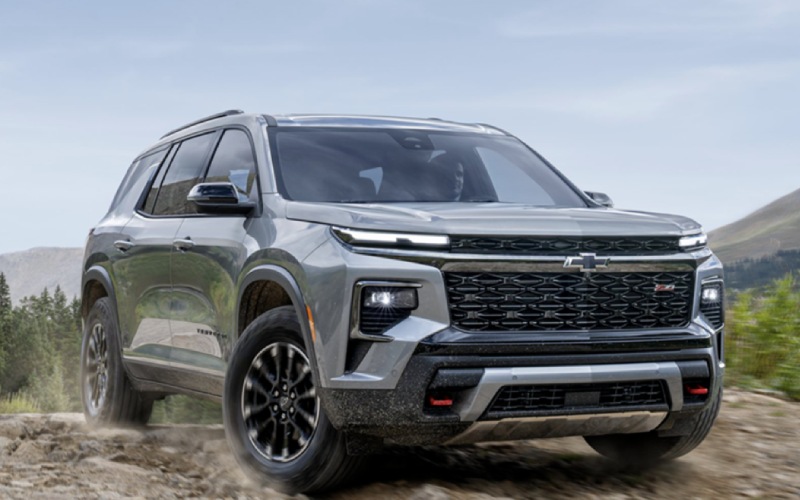
Jones Chevrolet - Used Car Confidence for Columbia, SC Commuters and Growing Families
Buying a used vehicle is often one of the most practical choices for drivers who want capability, comfort, and value without limiting the search to one model year. For many Columbia, SC commuters and families, the right pre-owned car, truck, or SUV must handle a wide mix of driving needs: weekday routes, school activities, grocery runs, medical appointments, road trips, home projects, and occasional travel across the Midlands. A good used vehicle should feel easy to drive in traffic, comfortable on longer stretches, and dependable enough to support a busy schedule. That is why a thoughtful buying process matters. Rather than starting with only color or mileage, shoppers benefit from identifying daily priorities first, then comparing vehicles based on seating, cargo space, technology, service history, condition, and ownership expectations.
At Jones Chevrolet, we help shoppers approach used vehicle buying with a clear plan, whether the goal is a smaller commuter car, a versatile SUV, or a hardworking truck. Our dealership is serving Columbia, West Columbia, and Lexington with a people-first process that includes pre-owned inventory, trade-in support, online buying tools, financing assistance, and service resources after the sale. Used vehicle shoppers often have layered questions: Is this vehicle the right size? Does the mileage fit the expected ownership timeline? Can financing be structured around a comfortable budget? Is the service department available for routine maintenance later? A strong dealership experience answers those questions in order, so buyers can feel confident before, during, and after the test drive.
Start With Real Driving Needs
The best used car search begins with how the vehicle will be used most often. A driver commuting into Columbia may prefer a sedan or compact SUV with easy maneuverability, supportive seating, and simple infotainment. A family may need a midsize or three-row SUV with accessible rear seating, generous cargo room, and convenient safety features. A homeowner, contractor, or outdoor enthusiast may lean toward a used truck with bed space, towing capability, and durable interior materials. Matching the vehicle to daily routines helps prevent overbuying, underbuying, or choosing a model that looks right online but feels less practical in person.
- For commuters: Look for comfort, visibility, fuel efficiency, smartphone connectivity, and smooth highway manners.
- For families: Prioritize seating access, rear-seat space, cargo flexibility, safety features, and easy-to-clean materials.
- For truck shoppers: Review payload needs, towing equipment, bed condition, cab size, tires, and maintenance history.
- For first-time buyers: Focus on manageable size, predictable maintenance, insurance considerations, and payment comfort.
- For long-term owners: Consider service records, parts availability, mileage, inspection results, and expected upkeep.
What to Review Before a Test Drive
Online research can narrow the field, but a test drive confirms whether a used vehicle fits. Before driving, shoppers should review the vehicle description, mileage, features, photos, and any available history details. During the walkaround, check tire wear, paint condition, glass, lights, body panels, seat wear, cargo areas, and dashboard controls. Small details can reveal how a vehicle was used and cared for. Inside the cabin, test the infotainment system, climate controls, windows, locks, seat adjustments, charging ports, and backup camera. For an SUV, fold the seats and measure cargo usability. For a truck, inspect the bed, hitch area, tailgate function, and cabin storage.
During the drive, pay attention to how the vehicle starts, idles, accelerates, brakes, and turns. Listen for rattles, vibration, or unusual sounds. A good route should include slower streets and a higher-speed stretch if possible. This helps reveal steering feel, brake confidence, road noise, transmission smoothness, and seat comfort. Buyers should avoid rushing this step. A vehicle may have excellent specifications yet feel uncomfortable, too large, too small, or poorly matched to daily routines. A relaxed test drive with clear priorities can make the final choice much easier.
Financing and Trade-In Preparation
Financing is a major part of the used vehicle journey, and preparation can make the process smoother. Online finance applications can help shoppers begin securely before visiting, while payment calculators allow buyers to think through budget expectations. A trade-in tool can provide a starting estimate for the current vehicle, which may help shape the next purchase. The final structure can depend on factors such as credit profile, vehicle selection, down payment, trade value, term length, and lender guidelines. Because each buyer has a different financial picture, clear communication is essential.
Used car shoppers with strong credit, developing credit, or past credit challenges can benefit from working with a finance team connected to multiple lenders. Instead of guessing what may be possible, buyers can review options with guidance and ask direct questions about terms, protection products, and paperwork. It also helps to gather key items ahead of time, such as driver information, employment details, insurance plans, and trade-in documentation. The goal is not to create pressure. The goal is to make the purchase easier to understand from start to finish.
Why Service Support Matters After Purchase
A used vehicle purchase does not end when the keys are handed over. Routine maintenance is what helps protect performance, reliability, and long-term value. Access to a service center can be especially helpful for drivers who depend on one vehicle for work, family needs, and daily transportation. Common maintenance needs include oil and filter changes, tire rotations, brake inspections, battery checks, fluid service, diagnostics, A/C service, and multi-point inspections. For Chevrolet vehicles, certified technicians and genuine GM or ACDelco parts can help preserve factory-intended performance. For many other makes and models, routine care can still be handled with professional attention and quality parts support.
- Oil and filters: Regular service helps protect engine life and overall efficiency.
- Tires: Proper tread, rotation, and pressure support handling, comfort, and braking.
- Brakes: Inspections help identify pad, rotor, and fluid concerns before stopping power is affected.
- Battery: Testing can reduce the risk of inconvenient no-start situations.
- Inspections: Multi-point checks can flag wear items and help plan future maintenance.
Used Cars vs. New Vehicles
Some shoppers arrive certain that a used vehicle is best, while others compare pre-owned models with new Chevrolet options. Both paths can make sense. Used vehicles may offer a wider range of body styles, model years, and features, often making it easier to find a practical match. New Chevrolet models may include the latest technology, full factory freshness, and, on qualifying new non-titled models purchased from our dealership, an exclusive 20-Year / 200,000-Mile Powertrain Warranty at no additional cost. That warranty is not the focus for most used shoppers, but it may become part of the conversation for buyers comparing long-term ownership paths. Reviewing both options can help clarify whether maximum value, latest features, or long-term powertrain coverage matters most.
For Columbia-area drivers, the right answer depends on lifestyle, budget, mileage expectations, and how long the vehicle will be kept. A used SUV may be ideal for a growing family that wants space and practical features. A used truck may be the right fit for hauling, towing, or property work. A used sedan may be an excellent solution for commuting and errands. The most important step is choosing a dealership process that makes comparison simple, answers questions clearly, and supports the vehicle after purchase. With the right preparation, a used car can deliver confidence, comfort, and everyday usefulness for years.
Frequently Asked Questions:
How do I know which used vehicle is right for my commute?
Start with the miles driven each week, traffic conditions, parking needs, comfort preferences, and technology requirements. Then compare vehicles that fit those needs instead of focusing only on appearance.
Should I get my trade-in value before shopping?
Yes. A trade estimate helps create a clearer budget and can make the next steps easier. An in-person appraisal can refine the estimate based on condition, mileage, and market demand.
What should I bring to a used car test drive?
Bring a driver's license, insurance information if requested, key decision-makers, and any daily items that need to fit, such as child seats, bags, equipment, or work gear.
Can service history affect a used vehicle decision?
Yes. Maintenance records can show how consistently a vehicle was cared for and may help shoppers better understand future ownership expectations.